
— About Hyperoxaluria
Enteric Hyperoxaluria (EH)
A guide for patients & families.
What is EH and what causes it?
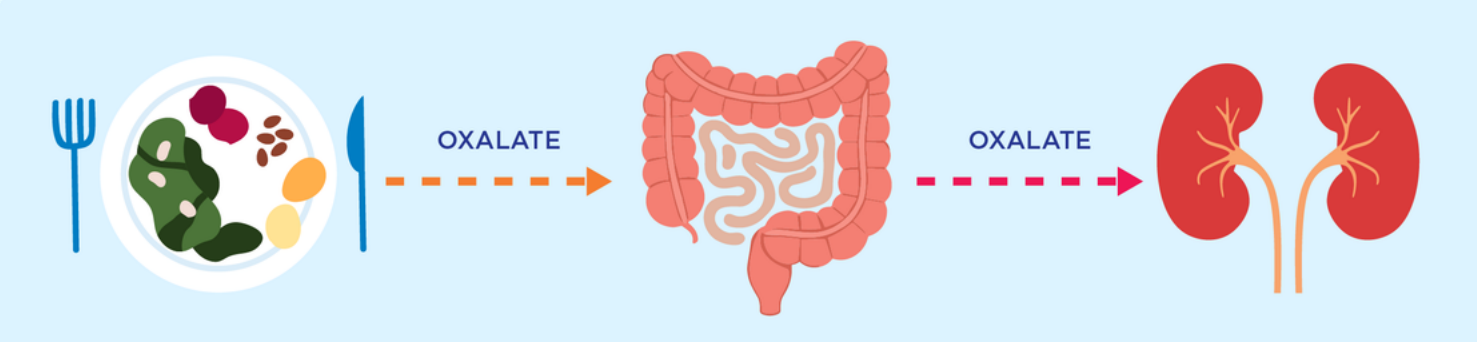
Enteric Hyperoxaluria (EH) is a medical condition caused by increased absorption of oxalate from foods in the digestive tract (also called the gut or intestines).
It is caused by various underlying conditions that affect the intestines, such as inflammatory bowel diseases (IBD) like Crohn’s disease, as well as malabsorptive conditions like celiac disease, cystic fibrosis, and chronic pancreatitis. Some weight loss surgeries, such as Roux-en-Y gastric bypass, can also increase the risk of developing EH.
The prevalence of Enteric Hyperoxaluria (EH) has been estimated at 5-24% of all patients with gastrointestinal diseases associated with malabsorption. EH is a frequent complication of inflammatory bowel diseases (IBD), ileal resection and Roux-en-Y gastric bypass (RYGB) and is well-known to cause kidney stones, and nephrocalcinosis. EH can also contribute to chronic kidney disease (CKD) and kidney failure.
Who helps with diagnosis & care?
Care often involves:
Gastroenterologists
– digestion
Nephrologists
– kidneys
Registered dietitians
– nutrition
Primary care providers
– coordinated care
How EH is treated
There is no single treatment. These steps can help protect the kidneys:
Nutrition & Lifestyle
- Eat less oxalate
- Include calcium with meals
- Reduce fat if needed
Hydration
Drink enough fluids to help remove oxalate from the body.
Monitoring
Your doctors may check urine oxalate, kidney function, and other labs.
Resources & support
Oxalate Food Guide
The Oxalosis and Hyperoxaluria Foundation (OHF) offers this guide showing oxalate levels in foods and drinks.
Care Team Guidance
Your doctor or dietitian can give recommendations for your situation.
Download the guide
Enteric Hyperoxaluria (EH): A Guide for Patients & Families (PDF)
EH can be managed with the right information, care team, and support.
Learn more about EH from the Oxalosis & Hyperoxaluria Foundation: Enteric Hyperoxaluria on ohf.org
Disclaimer: This guide is for educational purposes only and does not replace medical advice. Always consult your healthcare provider for diagnosis and treatment.
— Join the Alliance
Join the Hyperoxaluria Global Alliance
Add your voice to a growing global community working to improve the future of hyperoxaluria.